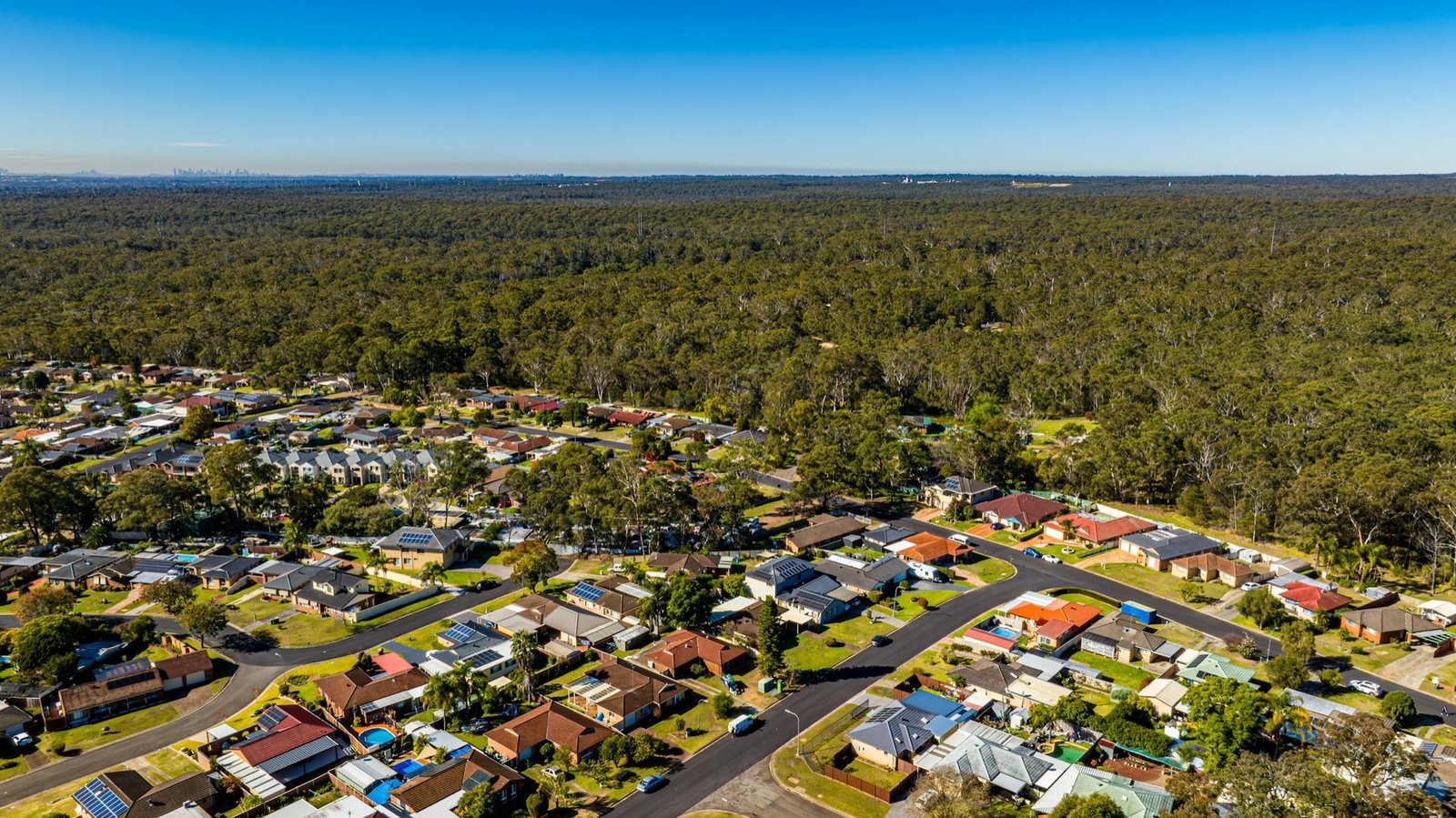
Mickleham
A northern option with newer housing and local shopping at Merrifield City. Its 4.2% gross yield makes it worth comparing for rental income alongside the purchase price.

Melbourne offers a range of property investment opportunities across different budgets and locations. Here’s what’s happening in the market, which areas are worth considering, and how to assess them against your goals, timeframe and the cost of holding the property.
Who we are
As featured in





Melbourne right now
Melbourne home values fell 7.6% over the year to October 2026, including a 0.8% fall in October. But the citywide figures hide differences between price ranges.
More expensive houses have recorded the largest falls. Cotality's September chart pack shows the most expensive quarter of Melbourne houses down 10.5% from peak, compared with approximately 3.9% for the most affordable quarter.
A headline about prices falling by 10% does not describe every part of Melbourne. Look at the price range, property type and location you are buying in. More affordable homes have held up better, although they have also fallen.
A softer market can give buyers more choice and room to negotiate. The opportunity is to buy well and hold for your planned timeframe, with rent and ongoing costs that fit your budget.
Melbourne house values: falls from peak
Most expensive and most affordable 25% of houses
Sources: Cotality October Home Value Index and September Housing Chart Pack. Checked 4 November 2026.
West, north and south-east
These areas offer different combinations of purchase price, rental income and local amenities, with median house prices below $800,000. Compare the numbers, then assess the home against your budget and investment plan.
| Suburb | Median house price | 12-month growth | Gross yield | Days on market | Days to lease |
|---|---|---|---|---|---|
| MicklehamNorth | $710,000 | +2.9% | 4.2% | 50 | 29 |
| Clyde NorthSouth-east | $750,000 | +2.0% | 4.4% | 52 | 27 |
| Cranbourne EastSouth-east | $750,000 | +3.5% | 4.2% | 36 | 25 |
| EppingNorth | $730,000 | +3.7% | 4.0% | 30 | 27 |
| MeltonWest | $562,691 | +10.3% | 4.0% | 39 | 33 |
| SunburyNorth-west | $735,000 | +6.5% | 3.9% | 30 | 26 |
PropTrack house figures, November 2025 to October 2026; each suburb name links to its source. Days on market measures selling time; days to lease measures rental advertising time. Both are medians. Gross yield is before costs. Suburb medians cover all houses, not just new homes, and past growth is not a forecast. Figures checked 4 November 2026.
A northern option with newer housing and local shopping at Merrifield City. Its 4.2% gross yield makes it worth comparing for rental income alongside the purchase price.
A south-eastern option with newer homes and shopping at Clyde North Lifestyle Centre. Its 4.4% gross yield is the highest of these six, with houses taking a median 27 days to lease.
Established recreation facilities include Casey Fields and Casey RACE. A 4.2% gross yield and a median 25 days to lease, the shortest in this group, give it a place in the south-eastern comparison.
Northern Hospital Epping and nearby Pacific Epping provide health and retail services. Its $730,000 house median offers a northern option with established amenities and a median 27 days to lease.
The lowest median house price of the six makes Melton an option for a smaller purchase budget. The wider area has existing retail at Woodgrove, while the actual home’s price and rent determine its holding cost.
Metropolitan rail access gives Sunbury a different northwestern option. Houses took a median 26 days to lease, among the shortest in this group, with a gross yield of 3.9%.
Rental demand
Houses in these six suburbs took a median 25 to 33 days to lease. Cranbourne East was quickest at 25 days, followed by Sunbury at 26. These figures help compare rental demand, alongside the rent achieved and the number of competing homes.
Vacancy was more mixed. In September 2026 it ranged from 1.1% in postcode 3076 (Epping) and 1.4% in 3977 (Cranbourne East) to 4.0% in 3064 (Mickleham) and 4.1% in 3978 (Clyde North), compared with 1.9% across Melbourne. Postcodes 3337 (Melton) and 3429 (Sunbury) were both 3.4% (SQM Research). A vacancy rate is the share of rental homes advertised for three weeks or more. One postcode can cover more than one suburb: 3064 also includes Craigieburn, Roxburgh Park and Kalkallo. Where vacancy is higher, more similar homes are competing for tenants, so the rent and leasing time you budget for matter more.
For the property you are considering, compare recently leased homes with similar bedrooms, parking and location. Check their rent and time advertised, plus how many similar rentals are still available. New estates and older streets within the same suburb can perform differently.
New homes and the cost of holding
A new home and an established home at the same price can have different holding costs. Rent, maintenance, depreciation and the timing of tax deductions all affect the amount you fund.
New builds can still be negatively geared against wages and other income. For established homes bought after 7:30pm AEST on 12 May 2026, from 1 July 2027 losses can only be offset against residential property income, including capital gains. Unused losses carry forward, and homes held before that time are not affected. Treasury explains the rules.
Use the purchase price, loan, expected rent, property expenses and depreciation for each home. Have a registered tax agent confirm eligibility and calculate the tax outcome. The tax benefit belongs in the comparison alongside the price you pay.
Start with why you are investing
Before choosing a suburb, put a dollar figure and a timeframe behind the goal. How much additional wealth or income are you aiming for? When will you need it? How much can you contribute each week while holding the property?
A property intended to build wealth over 15 years needs a different assessment from one you expect to sell in five. Buying costs, debt, ongoing cash contributions, selling costs and tax all affect what you finish with. A headline capital gain is only one part of that calculation.
Access Wealth assesses properties against its 20 Point Investment Criteria and more than 100 data points. That research starts with the outcome you want and works through to the property, with allowances for vacancies, higher costs and interest rates.
See the full process on How We Work.
Common questions
That depends on your goals, budget and how long you plan to hold the property. Melbourne home values fell 7.6% over the year to October 2026, including a 0.8% fall in October (Cotality), with larger falls among more expensive houses. Softer conditions can give buyers more choice and room to negotiate. A worthwhile purchase needs a fair price, evidence of rental demand and ongoing costs that fit your budget.
Melbourne’s price falls have not been equal across all locations, property types and price ranges. Cotality’s September 2026 research showed larger declines among higher-priced houses, while more affordable houses held up better. Check recent comparable sales for the suburb and type of home you are considering, rather than applying a citywide headline to every property.
Melbourne’s outer suburbs are worth comparing for their purchase prices, newer housing and access to local services. Look at existing schools, shops, transport and employment, along with rental demand and how many similar homes are being built. Assess the actual estate and property, because homes within the same suburb can have different rents, competition and resale appeal.
Compare the purchase price, rent, maintenance, depreciation and after-tax holding cost. New builds can still be negatively geared against wages and other income. For established homes bought after 7:30pm AEST on 12 May 2026, from 1 July 2027 losses can only be offset against residential property income. A registered tax agent should confirm the tax position for each property before you compare the numbers.
Start with what you want to achieve, put a dollar figure behind it and set the timeframe. Then work out what you can borrow and comfortably contribute while holding the property. Those numbers shape your property strategy and roadmap. Compare suburbs on price, rent, demand and housing supply, then assess the individual home against that plan.
Free 15-minute Discovery Call
Start with a conversation — 15 minutes to talk through your goals and where you stand today. From there, our team helps you see what the first step toward building wealth through a property portfolio could actually look like. No pressure, no obligation. And if the timing isn't right, we'll tell you.