- 1Buy for the deduction, not the property
- 2Assume growth will cover the losses
- 3Feel the strain when rates or vacancy hit
The tax break drives the decision.

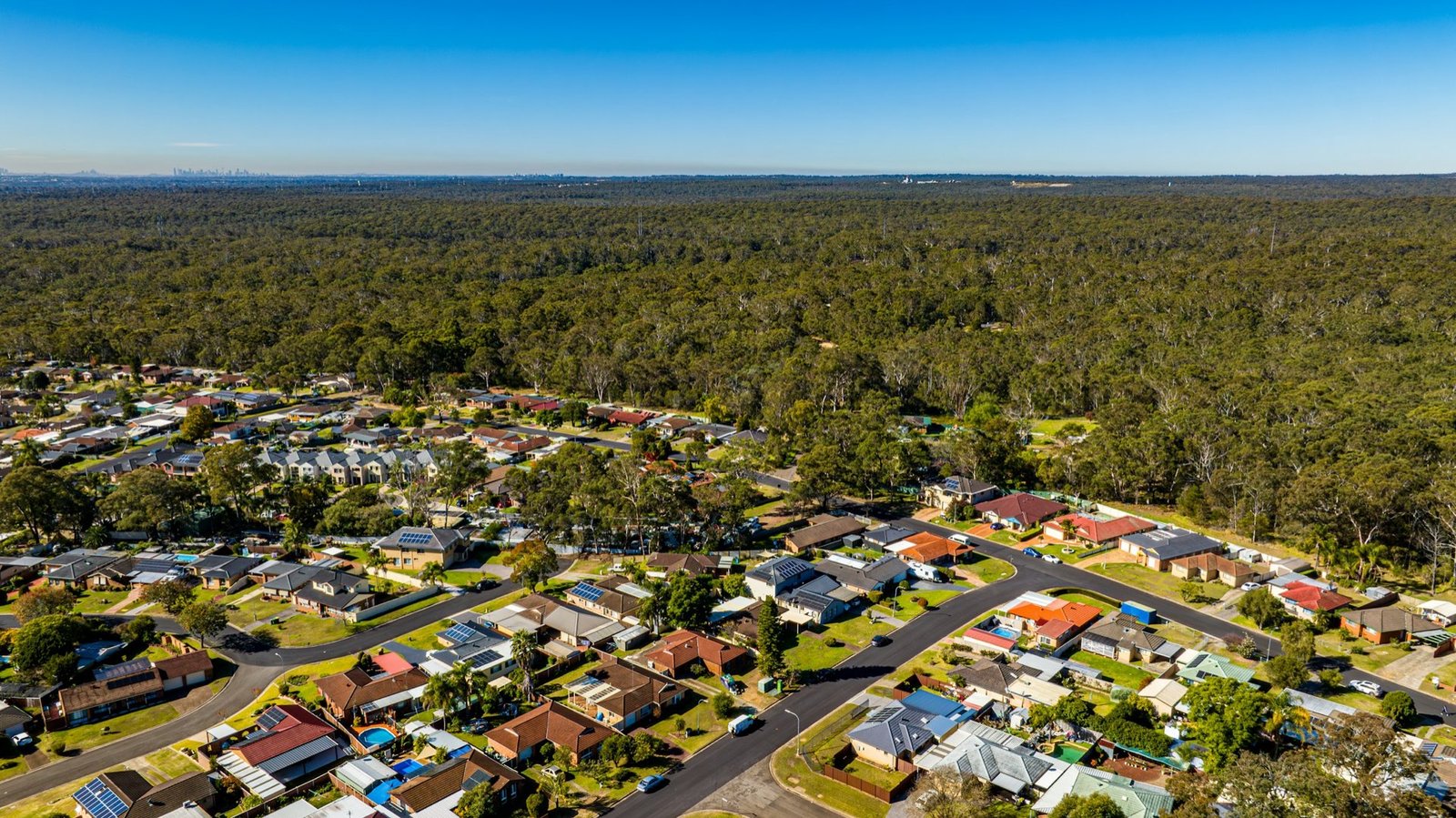
Negative gearing happens when your investment property's deductible expenses exceed its rental income. The resulting tax deduction can reduce the cost of holding the property. Understanding how rent, expenses, depreciation and tax savings work together shows you what you actually need to contribute from your own pocket.
The numbers behind the strategy
As featured in





For a property that qualifies, the rental loss is deducted from other taxable income, such as your salary. That reduces your income tax. The tax saving depends on the amount of the deductible loss and the tax rate applied to it: a $10,000 loss deducted at an assumed 35% rate saves $3,500 in tax.
Investors borrow to buy a property for its rental income and long-term growth. In the early years, interest and other expenses can exceed the rent. Negative gearing reduces the after-tax cost of holding that property while the investor builds equity through growth in its value.
The investment decision starts with the location, purchase price, rental demand and growth drivers. The tax saving then forms part of the cash-flow calculation. A property with a lower rental yield and stronger growth prospects needs a different holding budget from one with a higher rental yield. The investor needs to know the annual contribution required and how that fits their income and plans.
Depreciation provides deductions for eligible building costs and assets such as carpets, appliances and air conditioning over time. It reduces taxable income without requiring a cash payment in the year the deduction is claimed. This is why the taxable rental loss can be larger than the cash shortfall.
There are two parts: capital works deductions for eligible construction costs, and deductions for the decline in value of eligible fixtures and fittings. Building deductions apply to both new and established properties where the construction date and remaining deduction period qualify. Deductions for second-hand fittings in established homes are generally restricted for individual investors; new eligible fittings are deductible.
A quantity surveyor's depreciation schedule separates the building and asset deductions and sets out the amounts for each year. Year-one depreciation depends on the construction cost, assets and time the property is available for rent. It is not a fixed percentage of the purchase price, and the land itself is not depreciable.
No. Work out the cash flow and the tax result separately. Cash flow before tax is rent minus the money paid in interest and operating expenses. The tax calculation also includes eligible non-cash deductions such as depreciation. Cash flow after tax includes the resulting tax saving.
A property can cover its cash expenses and still report a taxable loss because of depreciation. A tax saving can also turn a before-tax cash shortfall into positive after-tax cash flow. Where a shortfall remains, that is the investor's net contribution. Expenses must still be funded as they fall due, including before a tax refund is received.
From 1 July 2027, rental losses from established homes acquired after 7:30pm AEST on 12 May 2026 are restricted to residential property income, including capital gains. Unused losses carry forward. Losses incurred up to 30 June 2027 can still be offset against salary.
Properties owned or under contract before the cutoff retain their existing treatment. Eligible new builds that add to housing supply retain access to deductions against other income. A rebuild that does not add housing supply does not qualify as a new build for this purpose. See the Treasury rules.
Investors can use equity in an existing property to fund a deposit or purchase. Include interest on that additional borrowing when modelling the cash flow. Interest deductibility follows what the borrowed money is used for, rather than which property secures the loan.
Take a $650,000 new house-and-land investment, with the full purchase price borrowed on an interest-only loan at 7%. A 4.3% gross rental yield produces $27,950 a year in rent, or about $538 a week. Annual interest is $45,500. Allow another $9,000 for council and water rates, insurance, property management, maintenance and other operating expenses.
Total cash expenses are $54,500, leaving a $26,550 cash shortfall before tax. Assume $15,000 in eligible year-one depreciation across the building and fixtures and fittings. That deduction adds no cash expense that year, but increases the taxable rental loss to $41,550.
| Rent at 4.3% gross yield | $27,950 |
|---|---|
| Property operating expenses | −$9,000 |
| Interest: $650,000 at 7% | −$45,500 |
| Cash flow before tax | −$26,550 |
| Year-one depreciation deduction | −$15,000 |
| Taxable rental loss | −$41,550 |
| Tax saving at the assumed 35% rate | +$14,542.50 |
| Cash flow after tax | −$12,007.50 |
| Weekly cost after tax | About $231 |
At the assumed 35% tax rate, the $41,550 rental loss saves $14,542.50 in tax. That reduces the annual out-of-pocket cost to $12,007.50, or $231 a week, rounded to the nearest dollar.
Of that tax saving, $5,250 comes from the $15,000 depreciation deduction. The investor does not pay an extra $15,000 in cash that year to receive this deduction. Rent and tax savings together cover $42,492.50 of the $54,500 cash expenses; the investor funds the remaining $12,007.50.
Example assumptions: full purchase price borrowed; interest-only loan at 7%; 52 weeks of rent at a 4.3% gross yield; $9,000 deductible operating expenses; $15,000 year-one depreciation; and the full rental loss deducted at 35%. Purchase costs and construction-period costs are excluded. Actual deductions are confirmed through a depreciation schedule and tax return.
Rent and the tax saving cover $42,492.50 of the annual expenses. You contribute the remaining $12,007.50, or $231 a week, rounded. The tax saving uses the assumed 35% rate and includes the $15,000 depreciation deduction. This is an example only, not a forecast or advice. Your own figures will differ.
We handle the strategy, research, due diligence and acquisition. We do not provide tax advice, so your registered tax agent can confirm how these rules apply to you.
The tax saving reduces holding costs. The property still needs rental demand, a sound purchase price and a cash buffer for higher expenses or lost rent.
Before buying, model higher interest rates, weeks without rent and a repair allowance. Keep a cash buffer that covers those scenarios. See how to buy an investment property.
We develop your property strategy, research locations and properties, and coordinate the purchase. Your tax agent confirms deductions and ownership structure; your mortgage broker arranges the finance.
Our five stages connect the property decision with the work needed to buy, hold and review it. We assess the cash contribution alongside the property research, then coordinate the purchase and track progress after handover.
Set your investment goals, timeline and budget. Assess your current position and the role the next property will play, including the cash contribution you can support.
Explore Plan →Model rent, loan interest, operating expenses and tax savings. Test higher rates and vacancy, and set a cash buffer so the holding costs fit your household budget.
Explore Protect →Research locations and shortlist properties against rental demand, growth drivers and purchase price. Compare the cash flow and property fundamentals with your investment goals before committing.
Explore Acquire →Coordinate contracts, deadlines, inspections and settlement through to a rent-ready handover. Connect the purchase process with property management so the rental arrangements are in place.
Explore Execute →Review rental income, expenses, equity and progress against your goals. Compare the holding cost with the original plan and update the next steps as rents, rates and your financial position change.
Explore Grow →General information. We provide property strategy and acquisition services; your registered tax agent confirms your tax treatment.
Negative gearing means an investment property's deductible expenses exceed its rental income. The difference is a taxable rental loss, which reduces other taxable income when the property qualifies. Deductions include interest, operating expenses and depreciation. Because depreciation is non-cash, the taxable loss can be greater than the amount you contribute from your own pocket.
Assess the property and the holding cost together. A negatively geared property needs to fit your goals, have sound rental demand and growth drivers, and be affordable to hold through higher rates or vacancy. Include the tax saving when calculating the annual cash contribution. In the example on this page, the investor contributes $12,007.50 a year after rent and tax savings, or $231 a week rounded. The final investment return also includes changes in property value, transaction costs and tax on sale.
Negative gearing produces a taxable rental loss: deductions exceed rent. Positive gearing produces a taxable rental profit: rent exceeds deductions. Cash flow is separate. Depreciation reduces taxable income without a cash payment that year, so a negatively geared property can have positive cash flow. Principal repayments use cash without being deductible. Compare the after-tax cash flow as well as the tax position when assessing a property.
Yes. Eligible new builds retain access to negative gearing against other income. From 1 July 2027, losses on established homes acquired after the 12 May 2026 cutoff are restricted to residential property income, including capital gains, with unused losses carried forward. Properties owned or under contract before the cutoff retain their existing treatment.
A deductible rental loss reduces taxable income. In this example, the $26,550 cash shortfall plus $15,000 depreciation produces a $41,550 taxable rental loss. At the assumed 35% rate, that saves $14,542.50 in tax. The cash cost after tax is $26,550 minus $14,542.50: $12,007.50 a year, or $231 a week rounded. The actual saving depends on the tax rates applying to the investor and the deductions claimed.
Start with a conversation: 15 minutes to talk through your goals and where you stand today. From there, our team helps you see what the first step toward building wealth through a property portfolio could actually look like. No pressure, no obligation. And if the timing isn't right, we'll tell you.